Fons Heijnsbroek - Abstract paintings for sale: modern colorful paintings on canvas or on paper


.


.


.


Abstract
 

modern

paintings

for sale


I live in Amsterdam, in the city centre on the fourth floor where I paint my abstract paintings. I do this since 1989. It is an intuitive way of abstract painting I practise, without any ideas before-hand; the image has to develop itself during the process of painting. So I like to name my art as intuitive abstract painting, because that is exactly how the images in my art come to life into this visual world.  


Intuitive art means to me, I have no image when I start to paint,  so the images calls themselves into visual life during  the process of painting. Of course I must be open for their calling, and I must keep myself aware of everything what comes up and asks for a place in the picture. This is the side of intuitive abstract painting, the coming beyond me; it is the very dynamic processor, operating in the process of painting.

On the other hand I myself must be aware and use my individual history, attitudes, emotions and collected experiences; they form the basis on which I have to make my visual decisions again and again. That is my own responsibility in the creative process. I am not an empty mind; I learned and lived year by year. And yet I must keep my mind open to the new visual sounds coming to me as free birds, as representatives of the unknown; it is a living paradox .......

 My abstract painting itself grows from intuition; it speaks only in the language of images and visual imagination, often beyond myself. This is the area where I transcend and opens myself for new views which come to me. Painting lies in the twilight between the known and the unknown. I am not mastering the painting; on the other hand, I am not just the victim who just can follows the sound of the universe. It lies between! And the point is: there does not exist a fixed point. That is what art is about, I presume.  

Fons Heijnsbroek


About the abstract painting art of
about the Dutch contemporary artist Fons Heijnsbroek


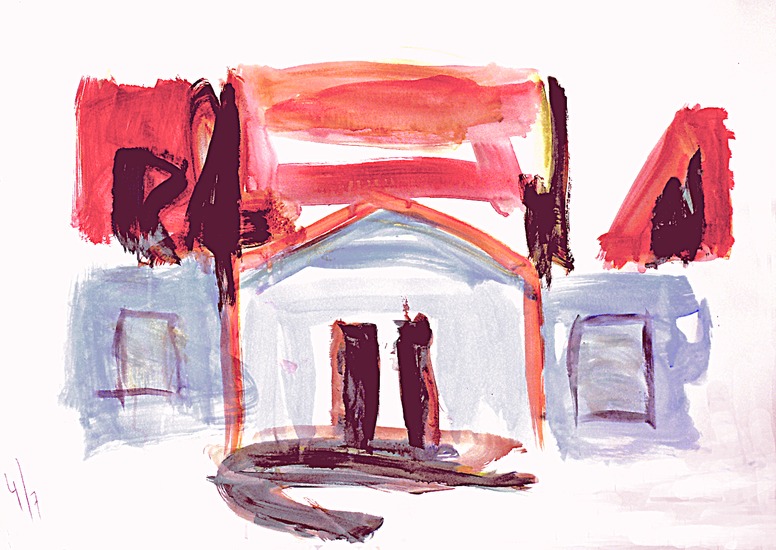
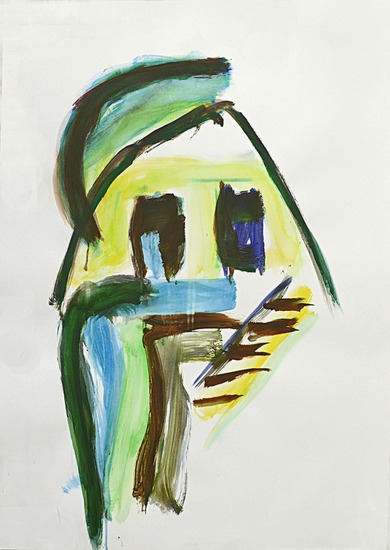
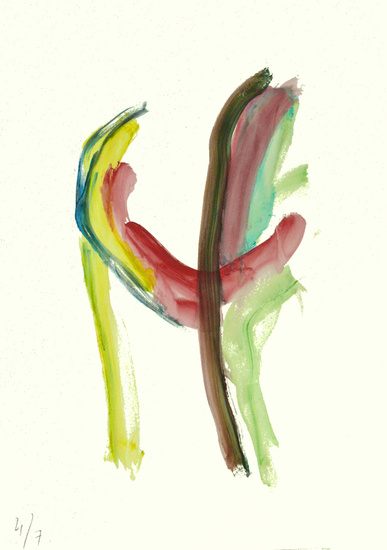
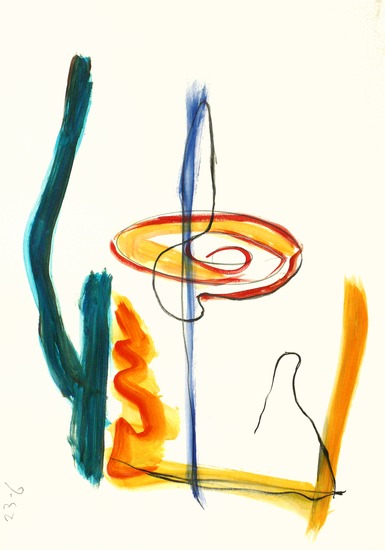
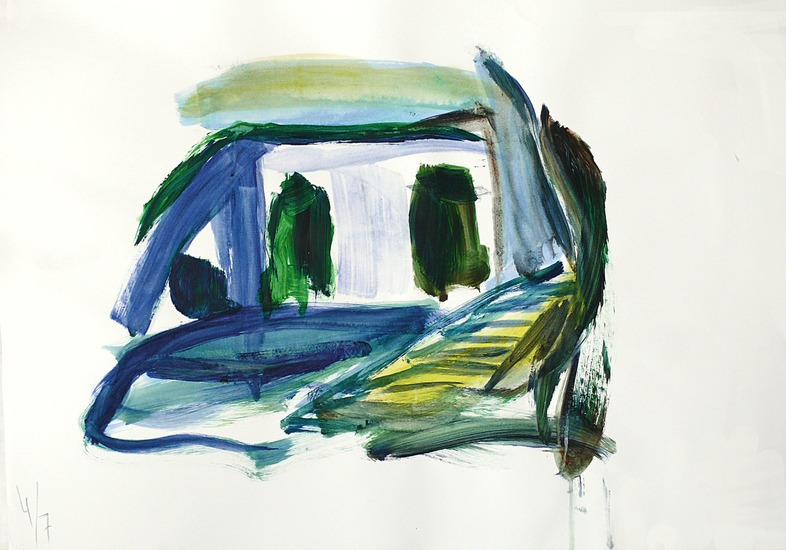
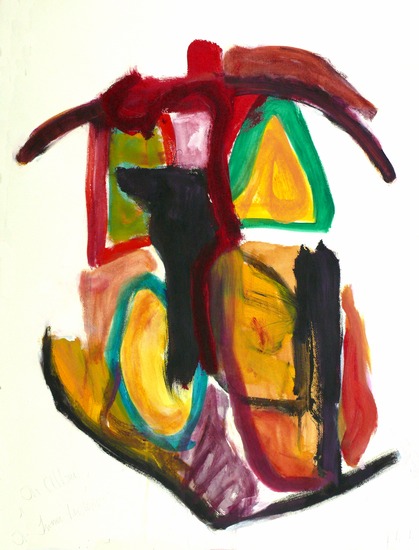
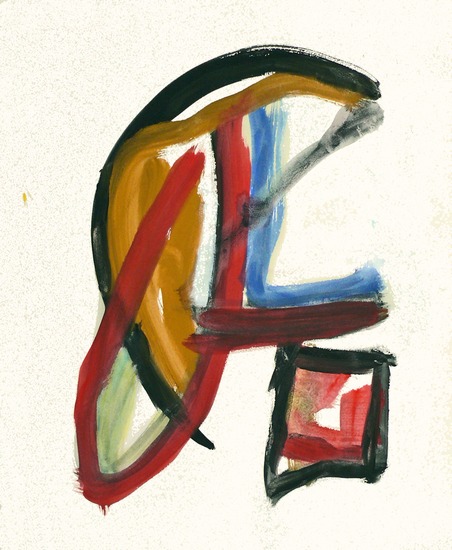
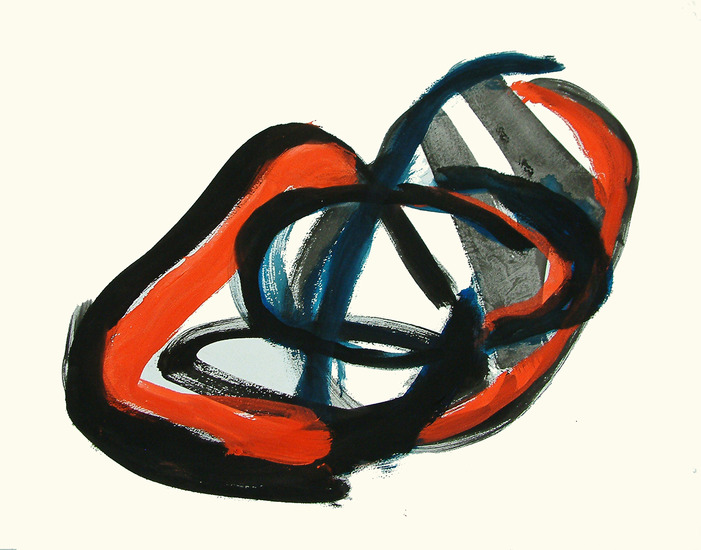
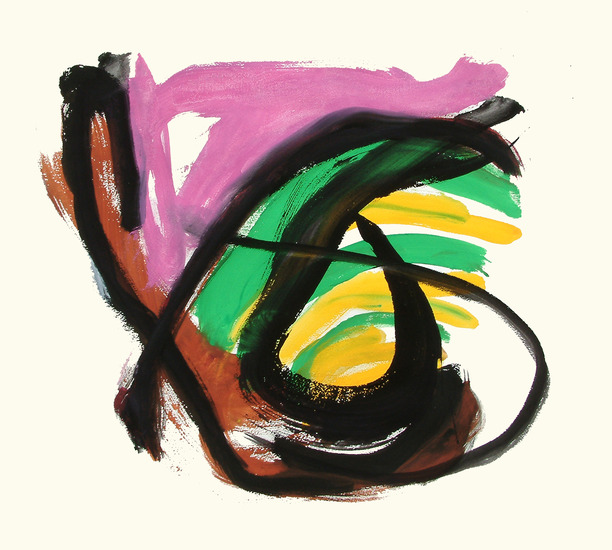
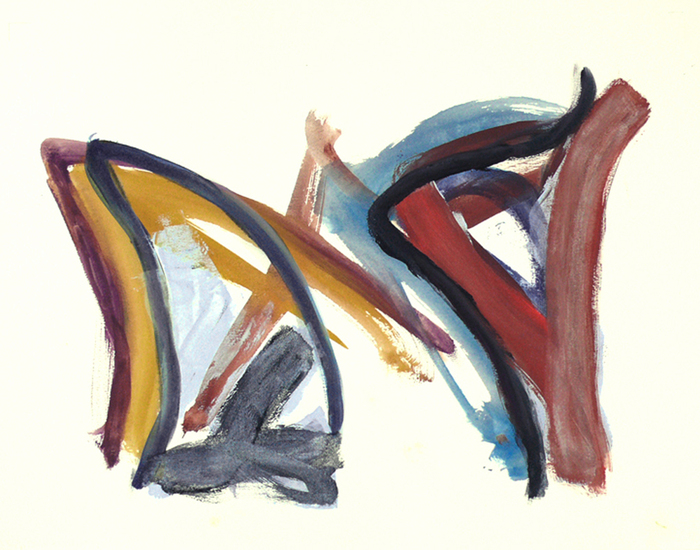
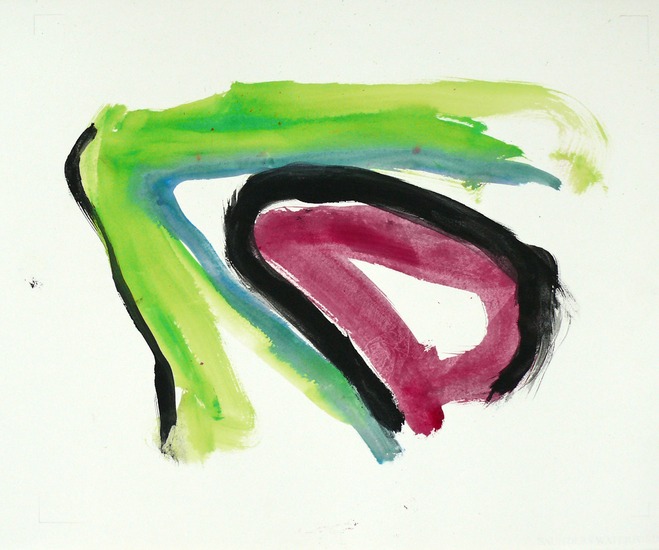
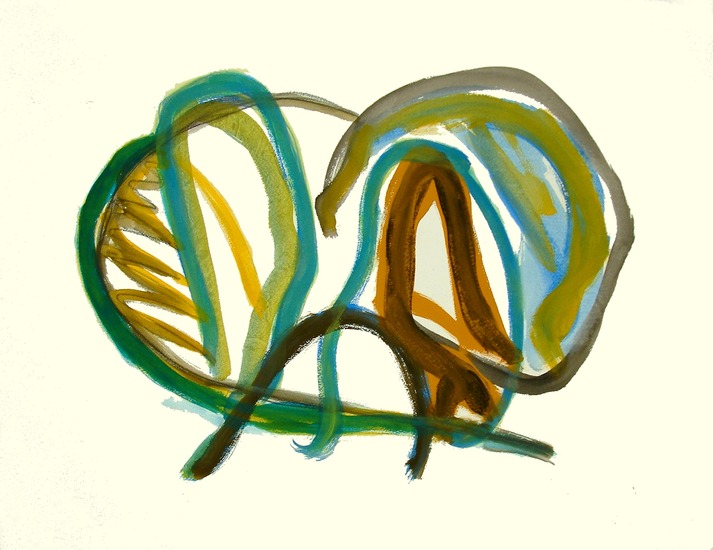
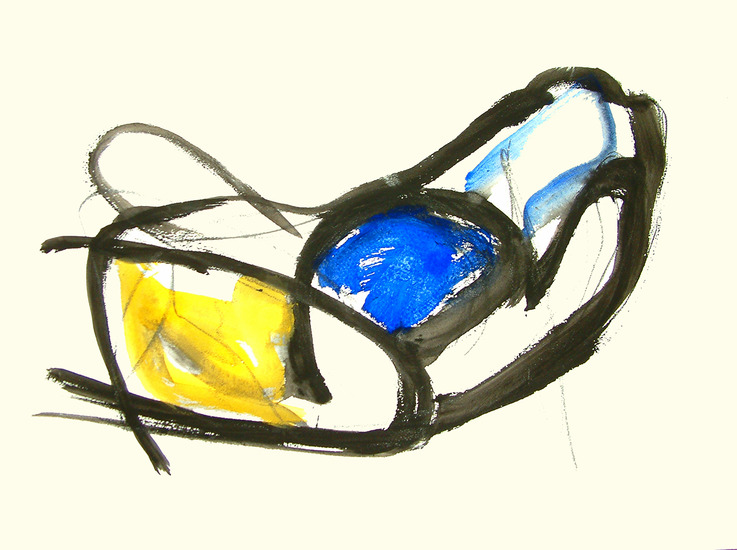
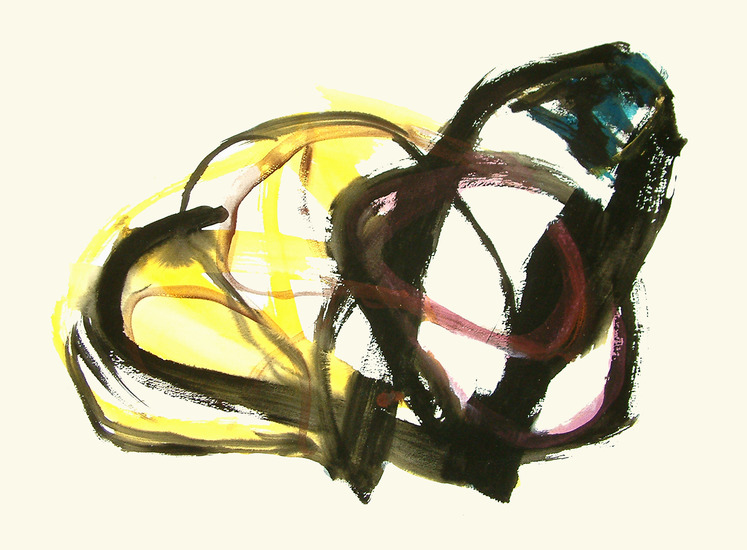
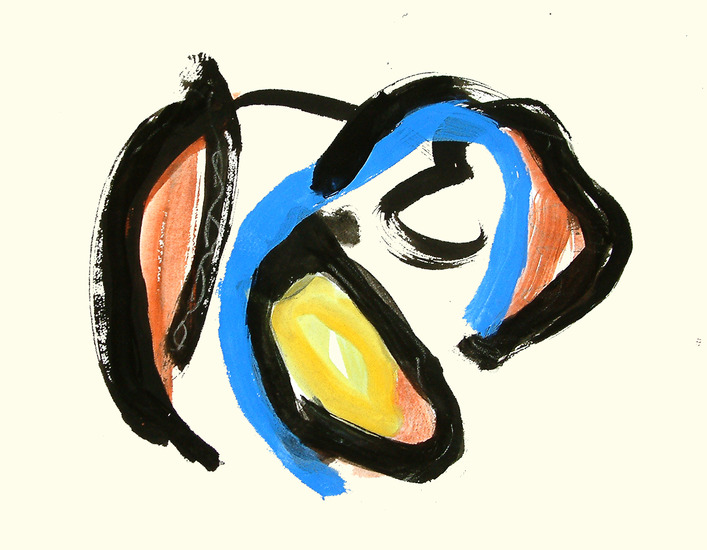
Fons Heijnsbroek, born in 1951, is an artist from Amsterdam who has been painting abstracts since 1989, first on canvas and since1996 also gouache on paper. His aim is to create modern, open abstract paintings with lots of energy and vitality. His work shows a progressive transparency and openness. He consciously avoids giving space to negative forces. He wants to produce abstract paintings that portray a feeling of optimism, hope and life force. He creates modern complicated visual images with various layers and internal spaces; he challenges the viewer to wander through the painting and to decide his or her own route. 


Dutch landscape paintings

His abstract and often colorful paintings are created spontaneous - not from any predetermined idea or image. At first, round about 1990, Heijnsbroek used the Dutch landscape as a basis for abstract painting. But, after some years his abstract art developed spontaneously, often with a strong emotional aura / atmosphere. Even so, his art still shows a strong connection to the Dutch atmosphere of land, water and sky that he loves so much.


new areas in painting

Fons Heijnsbroek has a spontaneous, direct style of painting with impulsive use of paint and long periods of just looking at the painting. He destroys a large number of his gouaches / watercolours on paper because they do not fulfill his ideal. Destroying a lot of his art has become an integral part of his work process. For him the possibility of destroying creates the chance to allow “the moment itself” enters into his work.

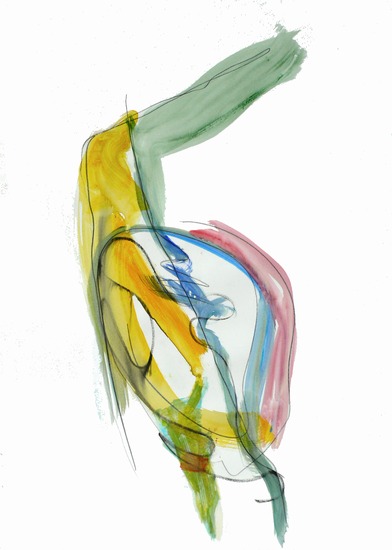
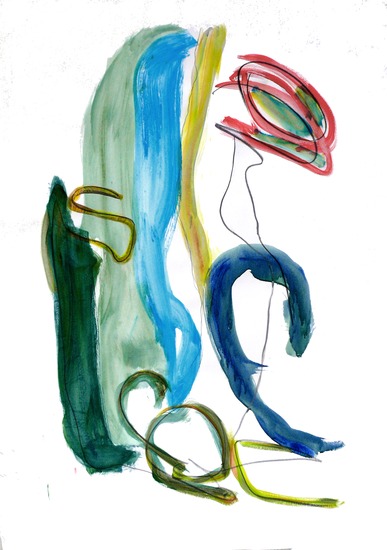
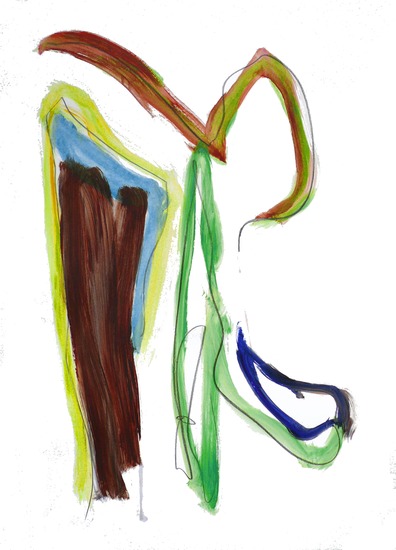
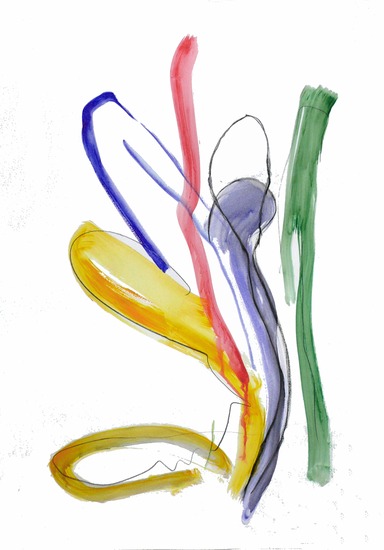
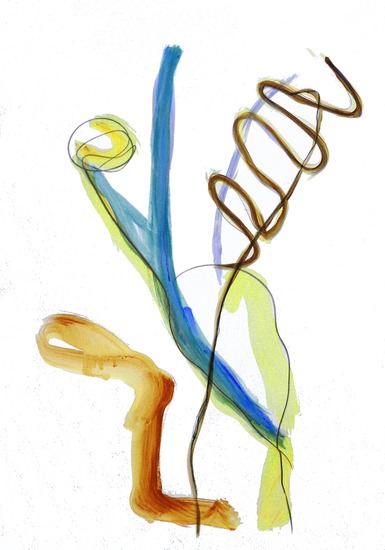
After 2007, under the influence of Albert de Wilde and Paul Werner, lines begin to have more freedom in his painting, especially in his abstract watercolors. In Heijnsbroek’s art the line is usually organic, but now becomes confusing and aggressive, in order to open up new areas of abstract painting. Sometimes the paper tears opening up a new perspective. His wild lines want to keep moving without reaching their target; they fight against strict areas and shapes. To Fons Heijnsbroek, modern abstract painting means continuous journeying to discover new areas.


a painting dialogue

From 2006, a next step in relinquishing his identity started; an intense and enduring painting relationship grows between Heijnsbroek and his colleague Ben Vollers. The two artists paint together and react on the spot on one large painting: ‘A dialogue in image and paint’. The result is a series of large expressive paintings. Both artists are strong and direct; their aim is to arrive at an integration of their impulses within the painting. This cooperation lasted till 2009.

Recent years Heijnsbroek has arrived at a point where he looks back on his own development in abstract painting. He is almost 60 years old now, and have painted since 1990 in an abstract art style. He has to find out new lines for himself, in our outside the painting proces.

J. Homacher    


Quotes by artist Fons Heijnsbroek on his abstract painting 


2008: Creating art is a form of alchemy, meaning that what you create must have en effect on yourself as artist. Therefore, it is necessary that the painting goes beyond the personal or at least coincides with it / me; as if clarifying something that drives me further. 

2008: This is the vulnerability of purely abstract art; (and therefore, my own vulnerability as well): how do you maintain you expression and all it’s vitality? The life-force of the earthly is lacking if you decide to no longer portray the world. I keep being confronted by this question, before now in my fear and feeling that purely abstract art is actually deathly. Recently, the question is posed differently: what is the living well of expression? Where does the power and drive come from? And especially: how can the vital aspect of this be maintained during the painting process itself? 

2008: The painting I produce is always larger than myself, because things outside myself are included. But after that there is the necessity to define this larger, wider presence in my painting. With me, this takes place directly during the process of creation, through a vague premonition that ‘something’ is going on, something is happening. I can try to contain this by not painting it out, and thus keep this ‘sound’ from destruction. 

2008: In this modern age it’s fascinating that we can look inside the body or into the depths of the ocean, this gives us different visual images of organic matter. I have to be careful to watch out that I recognize this in my own paintings. 

2008: (Fragment from a letter): What would enable me to look at the unexpected, the new? There is something that takes my breath away when I look at something that touches the edge of my memory. That can happen with daily images of the city, and the same thing happened Herman, when I saw your canvases this summer. It took my breath away because, in some way or other, I experience and actually know well that there was a visual breakthrough in me. I often had the same experience looking at paintings by Soutine and Willem de Kooning’s work in the Stedelijk Museum in Amsterdam. Not with all of them, but there were a couple of de Kooning’s paintings that caused me a feeling of revulsion, yet I kept going back to look at them, (that’s the advantage of a museum that honours its permanent collection), and then I spent ages with my eyes just caught up in these paintings. Then, suddenly that moment would come, my breath would be knocked out of me and immediately afterwards something hit me. Like being struck by lightning. 

2008: In a number of his water lily paintings, Monet separates the colours radically. If you really get up close, the colours are so far apart that they almost lose their bond. The mutual bond is not strong enough. This is a totally different way of working with colour than say Matisse / Picasso. They were searching for an answer to the problem of how to integrate coloured areas without them becoming too independent. The subtlety of the line and surround were crucial to this. But not for Monet. He had to make the effort the other way round, by forcing all the lines and strokes into one area, something he thankfully rarely achieved. I don’t mean the opposition of impressionism-expressionism; here I mean the question of how colour exists and should be place in life.

2008: That which is unformed does not yet exist in life, because it has to first find a form that is functional in life. I don’t think the idea is for a form to just float about. A form has to be active, it evokes something. People look at our paintings and something should happen to them. That is where I can mean something as an artist. I can offer something new and hope that someone picks it up. That must be my responsibility: What have I to offer? I stand on the border of ‘nothingness’ and all existing forms in the painting. I am the one who decides on a form and whether or not it can exist so can work.


Abstract painting art from the Dutch artists Fons Heijnsbroek, Ben Vollers, Daan Lemaire


- a collector’s view -

 I have been collecting modern abstract painting since around the mid eighties. Colour and abstraction has, more or less, always been my guide. In the beginning I went for the colourful work of the Cobra artists. Allthough I could never afford to buy an original Karel Appel, I did acquire a couple of works from other Cobra artists. Later on I expanded the modest collection with works of other artists who where painting with an even so colourful palette. Later on my taste of art was shifting towards more and more abstraction. At first, colour and composition were the main focus. Some abstract-figural elements might have been present in those days. But now my focus lies mainly on the complete abstract art.


Through artlease compagny Artolive I accidently stumbled upon the work of Fons Heijnsbroek. It was love at first sight. Unfortunately (but not for Fons!) many of his paintings were already sold but there was one painting that caught my eye which was still available. It was a large abstract colourful canvas. Immediately I measured the wall where I had the painting in mind and contacted Fons to arrange a viewing at his studio. When I met Fons for the first time there was a warm welcome and a common interest and when I saw the painting in real I bought it immediately.

What I like about Fons' art, and good abstract art in general, is that your eyes can wander all over the painting. There is no pause, no stop, no recognition of any figural element and no point to focus on. Just admiring the whole painting. If there is a point of focus on any painting you tend to stare at it and by doing so you skip the rest. Not in Fons' paintings. His paintings are holistic works of art. Your eyes travel all over the whole canvas. Like travelling to the unknown, it never bores. Every time you look at the painting it is a whole new journey.

Through Fons Heijnsbroek I met Ben Vollers and Daan Lemaire. Both artists share the same ideas about abstract painting and naturally I became interested in their work too. Daan paints colourful paintings on canvas and works on paper. It is not as abstract as Fons' work but they are very balanced, colourful and narrative. In 2006 Fons and Ben started literally a painting joint-venture. Together they worked on the same canvas and by doing so they had to give in, let go, anticipate and react on each others brushstrokes. This resulted in a complete new and exciting co-operation with beautiful abstract painting results. One of those paintings is now hanging on one of the walls at home, in my livingroom!

Hans Cohen, owner of many artworks of the three artists


Interview with Benfo: on modern, abstract fusion painting
 

* There is a great similarity between you two painting together and jam sessions in Jazz. Is that what you are doing when you paint together- spontaneous jazz in paint?

What we do is improvise on one canvas: not particularly on an existing theme, and not one at a time, but together, on the spot, we continuously react to one another with brush and paint. We do not have a concept beforehand, no theme; we start totally blanco. But, we do have one another’s input to react to. For instance, Ben makes a line and Fons takes it further, or puts down another line or changes the colour etc. Apparently we understand each other’s way of working. Jam sessions in Jazz are very much here and now, reacting on the spot, the question, the answer; that’s very similar to what we do with paint. One starts an idea and the other can react.

* Jazz musicians often have a standard as the basis for a jam session, what about you two?

We’ve got all sorts of stuff in our heads, amongst other things the art of painting and the images of that. In that way we are also similar to Jazz musicians jamming. They use previous jazz. They improvise on an already existing, well known number, a standard, that every well versed jazz musician knows. In the same way we are familiar with abstract expressionism, but also with painting expressively and landscapes, we write and talk about the art of painting without turning it into a concept!!! What are our standards? Well, not only the famous toppers within abstract expressionism. But we have them in mind. But also the city, the light, Van Gogh, Soutine, Ruysdael, Corot, Guston etc.

* What do you have in common in painting?

Something we have in common in our individual painting is that neither of us make a preliminary sketch. We both paint directly onto canvas/paper and react to that whilst painting. When we work together as Benfo, we offer one another images that the other can react to in an associative way. We both experience that this way things happen on canvas that we would never have made individually. The other is necessary in order to extract yourself from individual shortcomings in your own imagery. It can only be done in acrylic paint, a paint that is direct and dries quickly, so can be painted over easily.

* What aspects are of great importance in the process of painting together?

Apart from the spontaneity and the interaction to one another, there is the aspect of consciously constructing and destructing and consideration/thought. Considering whether the painting will make it, whether it will meet the promise of possibilities or intentions. At that moment we both feel that something is possible, that the painting could turn out well, but we’re not there yet! It’s the moment the painting tells us something and, it’s up to us both to understand. The painting has it’s own life, it has come to life through us and now it demands that we do this or that. Often, we have to let it go for a bit – distance ourselves in order to recognize the question. We both know there is a moment when we have to paint carefully, with consideration. The phase of associative painting, wildly, is over - which is by the way just as important. Our painting is a construction, in the sense that there must be cohesion and the various parts must work towards a whole. A structure, let’s say architecture, balance, contrast. In between all that is our freedom; but the final painting must be more than that. Otherwise it’s a failure.

* What does Ben do that Fons would never do?

Ben puts down areas/space, almost automatically. Fons nearly always starts with a construction in lines. Ben paints his spaces/areas with strokes, mainly in white or black, with further strokes so they don’t cover the canvas completely; his lines are often zigzag. Fons’ lines are often flowing and more organic. He often puts coloured layers over something already present, so the colour of that particular area is changed. Fons uses the colours yellow/green/violet/purple more often and Ben more often uses black/sienna but also yellow, dark blue and often lots and lots of red. But all that was six months ago and is probably old hat. In that respect we consume one another!

* What about mutual trust?

Painting Benfo paintings can only be done because there is mutual trust. Both in the ability in the art of painting as in the judgement. We also know that the ‘one’ is not trying to paint out the other, or trying to dominate in some way. There is a dynamic equality of input. There is also the trust that when ‘one’ reaches an impasse he can let the ‘other’ carry on to keep the process moving, to pull us both our of the impasse.

There is also mutual trust that the ‘other’ watches and continues to work together and make keen judgments. Of course we’ve know one another’s individual work for years – which gives us a good basis.

* What are your criteria for a painting to be a success or not?

We each have the conviction that a painting should be more than pleasing or nicely painted. We both see that we want to go further. There is no embarrassment between us when trying out something unusual; we can put down something impulsively without worrying about what the other thinks of it. There has to be some risk, otherwise the painting would be a failure for us anyway.

* What is your position in present day abstract painting?

A great deal of what we see around us makes us think that abstract painting is too slick, with too much emphasis on a ‘pleasing’ abstract painting. We are on the wilder side of abstract painting. It seems that we think that an interesting painting can’t be slick. As a viewer you have to make an effort to get into the painting, plough your way through. On the other hand, we offer a painting that one can actually get into with one’s eyes; we are offering a serious visual image. A slick painting excludes; there is no opening, no entrance. We want a painting to have its own ‘inside’. That’s what we mean by a painting being finished; there must be an ‘inside’ apparent in the painting; the painting has the right to existence because it gives visual form to that ‘inside’.

* What, from life itself, influences you both?

We are both passionate city people. We see the modern phenomena of the city; adverts, light reflections, transparency; but also the underground (metro) building, modern building constructions, people packed together. We don’t live in a world city, Amsterdam is small and has an old city centre with an old structure, where we both live. So, Amsterdam has both old and new, the city changes through different time layers. That fact fascinates us both, we feel our connection through that. We both accept without doubt that the city is an organism, continually changing and innovating. We both enjoy the ensuing expression of this. From art painting point of view it is impossible to see all the phenomena and put them I a painting, giving them a second visual existence.  That’s our naturalistic side; we put real phenomena and impressions in our paintings.

There is also Amsterdam light in our paintings. We don’t just slide past one another in our choice of colour, even though there are differences. We both are attached to atmosphere. Together we went to see an exhibition of work by Dutch impressionist Jacob Maris in Teylers museum five years ago, and years later to an exhibition of work by another Dutch impressionist, Mastenbroek, who painted Rotterdam harbour with its steam and smoke. We value Willem de Kooning’s impressionism!

interviewer: Jean Homacher